
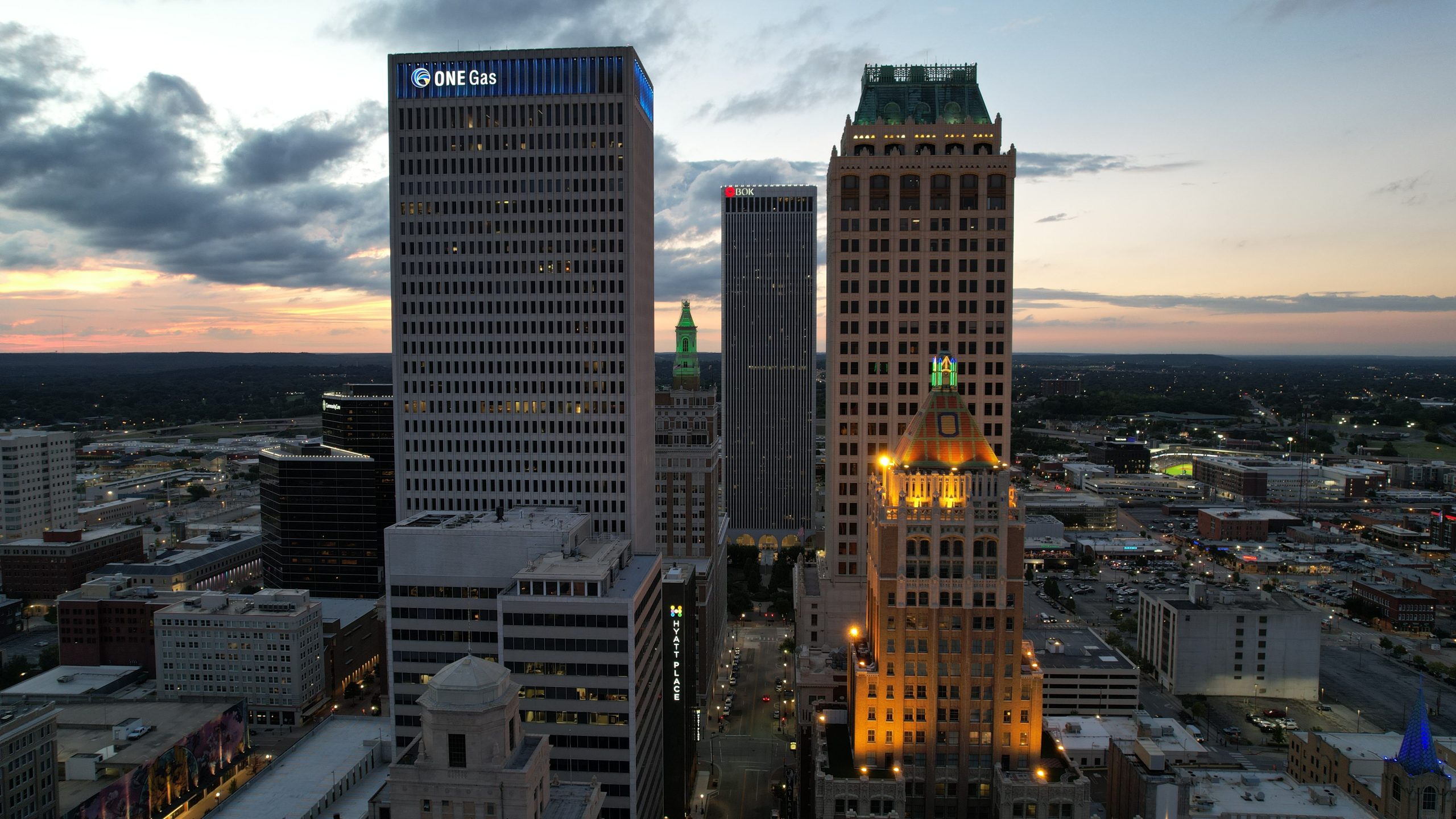
Travelers rarely decide to book a Tulsa experience after seeing one perfectly timed promotional post. More often, they encounter a destination several times: a neon sign at night, a short guide to a neighborhood, a question answered in the comments, and finally a clear invitation to reserve a tour.
That sequence is difficult to create when social media is managed between arrivals, phone calls, weather checks, and tour departures. A content scheduler gives Tulsa tour operators and attractions a way to plan the dependable part of their social presence in advance, leaving enough room for the real-time moments that make travel content feel alive.
Why Tulsa is unusually well suited to planned social content
Tulsa does not have to manufacture variety for social media. The city’s tourism story already contains distinct themes: Route 66, music, museums, historic districts, food, public art, outdoor experiences, and guided walks.
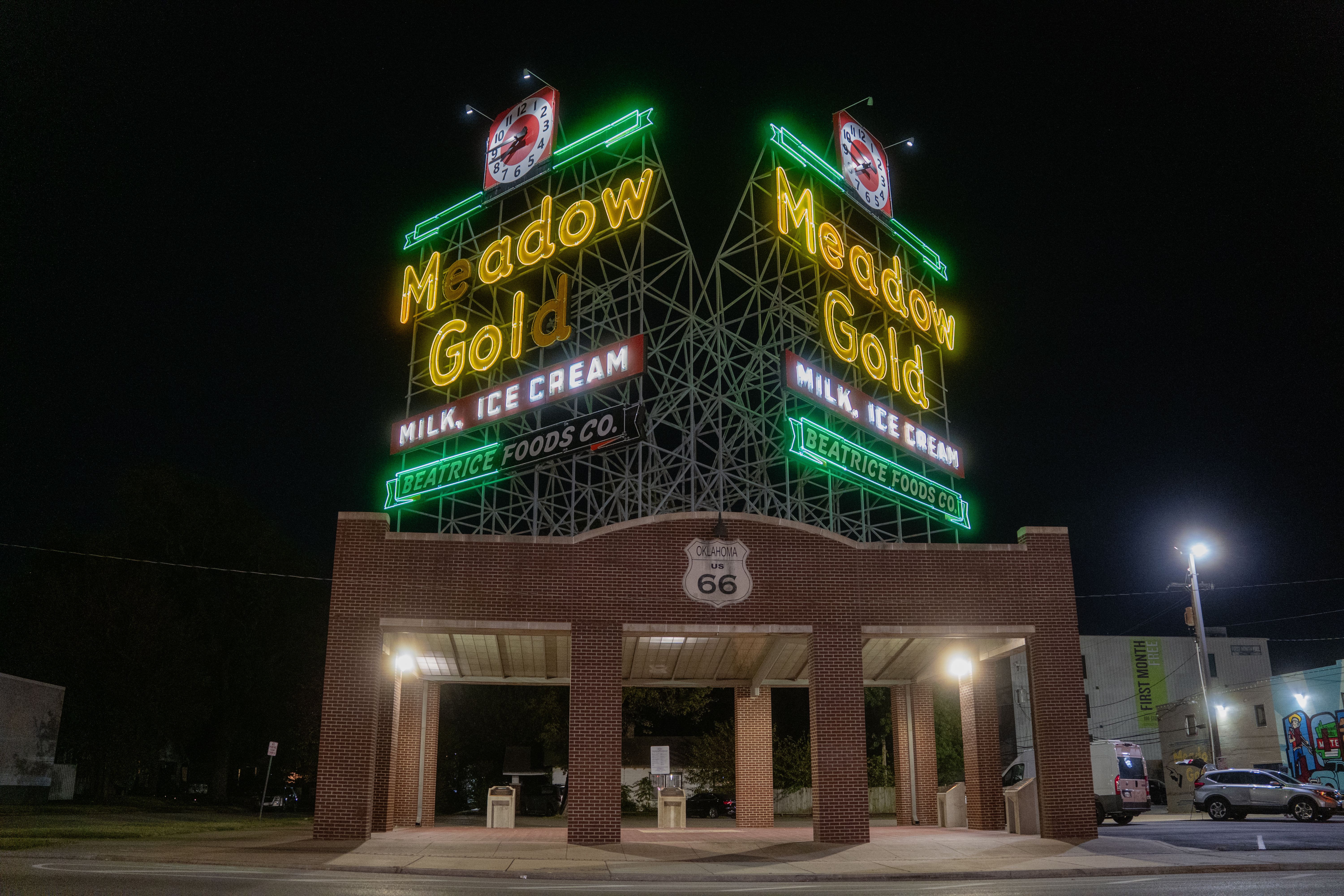
Visit Tulsa describes the city’s Route 66 stretch as 28 miles long, with landmarks and districts ranging from Meadow Gold to the Tulsa Market District. That is not just a fact for a website page. It is a month of possible posts: a “one stop, one story” series, a route-planning carousel, a guide to photo locations, or a short video explaining what visitors can see between two stops. The official Visit Tulsa Route 66 guide is a useful reference when building that kind of local content.
My view is that Tulsa businesses should stop treating every post as a sales post. The strongest schedule sells the feeling of an outing first and the ticket second. A reservation link matters, but it works better after the audience understands what makes the experience worth leaving the hotel for.
A scheduler solves the consistency problem, not the creativity problem
A scheduler is a calendar and publishing workflow. It can store drafts, arrange posts by date and platform, preview creative, and publish at a planned time. Adobe Express describes its content planner as a way to create, plan, preview, and schedule content across multiple social channels.
That distinction matters. A tool will not turn a bland “Book your tour today” caption into a compelling story. It will, however, prevent a busy operator from disappearing for two weeks because the person who normally posts is guiding a group, handling a weather change, or preparing for an event.
Use the scheduler for predictable work:
- Evergreen destination tips and neighborhood explainers
- Regular behind-the-scenes posts prepared from approved photo and video libraries
- Upcoming tour dates, attraction hours, and ticket reminders that have been checked
- Guest questions turned into short educational posts
- Repurposed content adapted for Instagram, Facebook, TikTok, or Pinterest
Do not automate the parts that require judgment. Weather disruptions, road closures, safety updates, sold-out departures, guest complaints, and unexpected local news need a human review. A scheduled post that says “perfect conditions for a walking tour” while thunderstorms are moving across Tulsa is not an engagement strategy. It is a trust problem.
Build four content lanes before you fill the calendar
A blank calendar encourages random posting. Four repeatable content lanes make planning faster while keeping the feed useful.
1. Place-led inspiration
Show the destination before you show the product. A nighttime image of the Meadow Gold sign, a mural detail, a view along Route 66, or a close-up of an architectural feature can work as a visual invitation. The caption should give the image a small story or a reason to save it, not merely identify the location.
2. Practical visitor help
Answer questions that arise before someone books: where a tour begins, how long to allow for parking, what to bring, whether an experience is suitable for children, and what happens if weather changes. These posts reduce friction and create comments because prospective visitors can ask follow-up questions.
3. Human proof
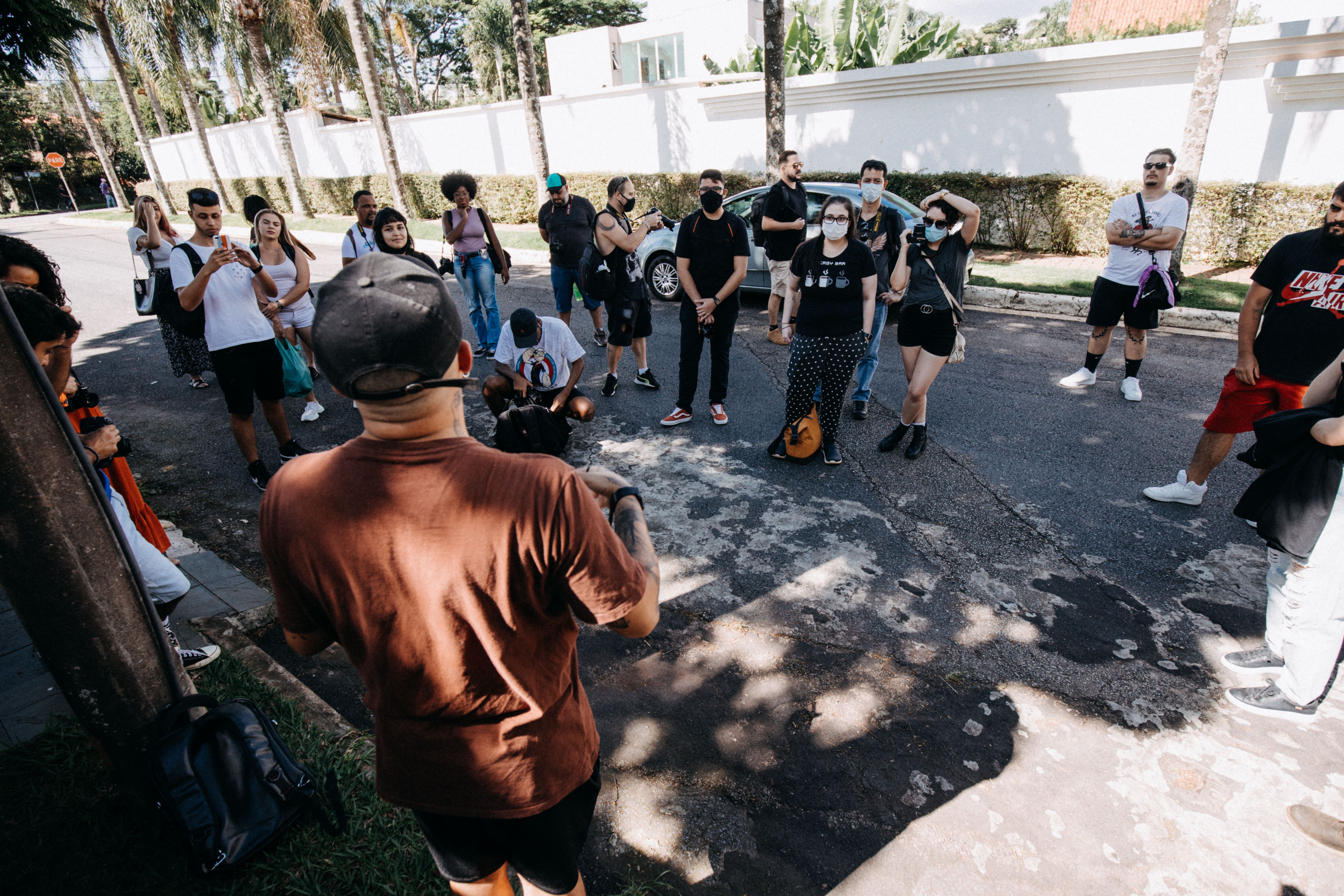
Introduce guides, curators, drivers, makers, volunteers, and local partners. Show the preparation behind an experience. A tour operator can explain how a route is chosen; an attraction can share how an exhibit is installed; a guide can point out the detail most visitors miss. Human proof is especially valuable when competing attractions all use similar skyline photos.
4. The offer
Promote tickets, memberships, seasonal programs, gift certificates, and limited availability. Keep these posts clear, but do not let them dominate the schedule. A useful starting point is to make promotional content one part of a broader mix rather than the entire feed.
| Content lane | Useful Tulsa example | Primary engagement goal |
|---|---|---|
| Inspiration | Night photography, Route 66 landmark, mural, or neighborhood atmosphere | Saves and shares |
| Visitor help | Meeting point, duration, parking, accessibility, or weather guidance | Questions and profile visits |
| Human proof | Guide introduction, exhibit preparation, or local partner feature | Comments and direct messages |
| Offer | Tour dates, tickets, membership, or seasonal experience | Website clicks and bookings |
The point of this table is not to impose a rigid ratio. It is to make imbalance visible. If the next ten scheduled posts are all offers, the calendar is warning you that the audience is being asked to buy before it has been given much to care about.
Plan two weeks ahead, but leave space for Tulsa today
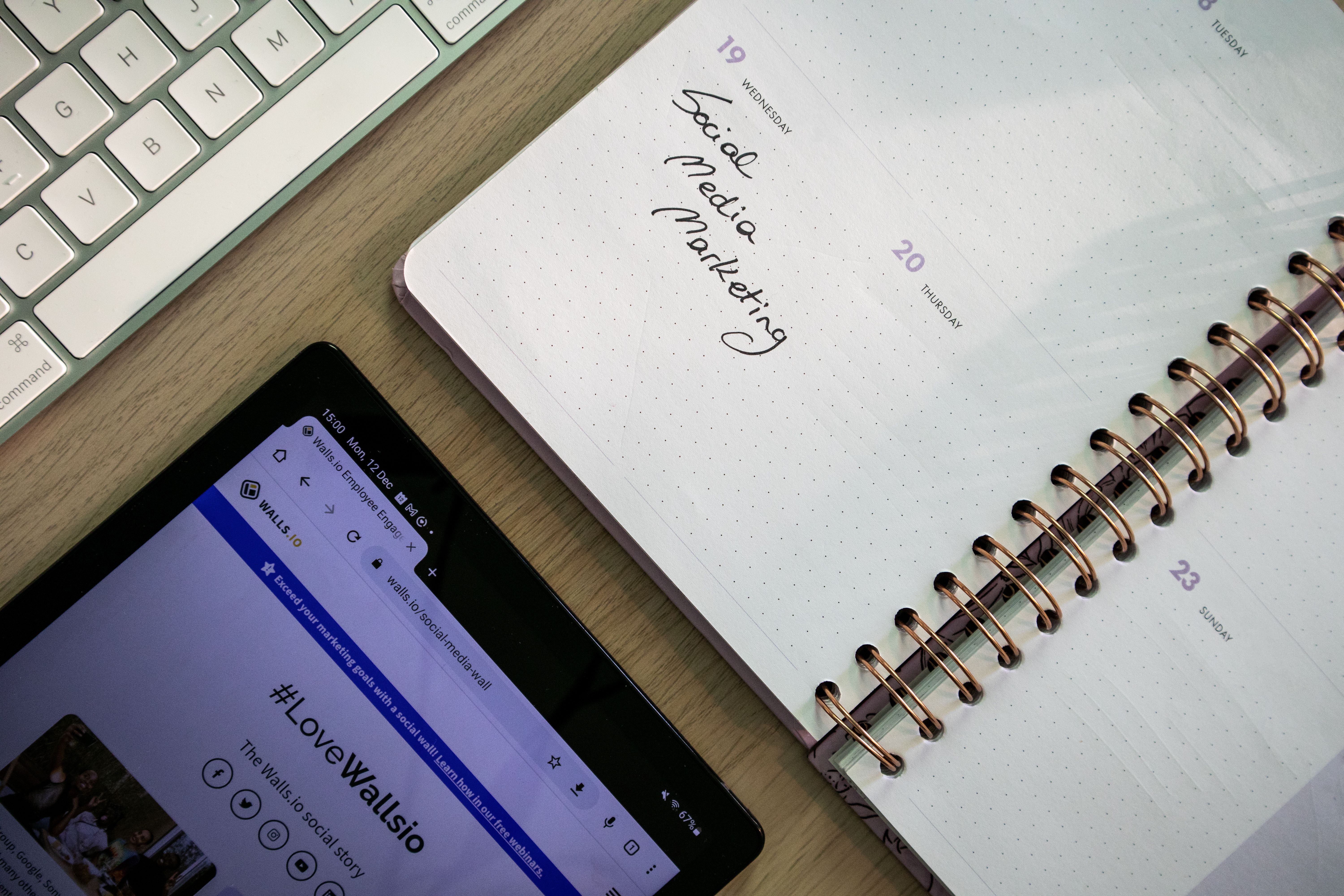
For most small operators, two weeks is a useful planning horizon. It is long enough to protect consistency and short enough that hours, availability, and seasonal details can be checked before publishing. Larger campaigns, school-break promotions, and major events may deserve earlier planning, but evergreen social content does not need to be locked months in advance.
Hootsuite’s current guidance recommends treating frequency benchmarks as a starting point and adjusting them with a brand’s own analytics. Its 2026 guide lists three to five Instagram posts per week and three to five TikTok posts per week as recommended minimums, while emphasizing that a manageable, consistent cadence is better than bursts followed by silence. Read the 2026 social media posting schedule guidance from Hootsuite for the broader framework.
For a Tulsa attraction with a small team, a more realistic first test might be:
- Instagram: three feed posts each week, plus Stories when staff have something timely to show
- Facebook: two useful updates each week, with event and community information where appropriate
- TikTok or short-form video: one or two original clips each week if the team can make them well
- Live engagement: a short daily check for comments, mentions, and booking questions during operating periods
These are starting points, not promises from an algorithm. If the team can sustain two excellent posts a week, that is a better schedule than seven rushed posts followed by a month of inactivity.
Leave at least one or two calendar slots open. That space is for a striking sunset, a guide’s unexpected discovery, a visitor question that deserves a video answer, or a same-day operational update. Scheduled content should create room for spontaneity, not eliminate it.
Adapt one idea instead of copying one post
Cross-posting saves time, but identical publishing is rarely the best use of a destination story. Start with one idea and change the treatment:
- Instagram: a short Reel showing the visual reveal, with a caption that adds context
- Facebook: a slightly fuller explanation, event detail, or question for local followers
- TikTok: a direct hook, guide narration, or quick “look for this” moment
- Pinterest: a searchable itinerary or planning image that can remain useful beyond the week it is published
For example, “Three details to notice near Tulsa’s Meadow Gold District” can become a walking clip, a three-panel carousel, a Facebook planning tip, and a saved itinerary graphic. The work is not duplicated; it is translated for different viewing habits.
The engagement work begins after the scheduled post
Publishing is only half the job. A scheduler can put a question in front of people, but it cannot answer the question with local knowledge and warmth. Assign someone to check replies and messages, especially around opening hours and tour departures.
Use captions that invite specific responses rather than empty engagement bait. “Which Route 66 stop would you photograph first?” gives people a choice. “What is your favorite Tulsa landmark?” may generate replies, but it is harder to connect the answer to a useful follow-up. When someone asks about parking, accessibility, or tour length, answer publicly when possible so the next visitor benefits too.
Track more than likes. For a tourism business, the most useful signals may include saves, shares, profile visits, website taps, direct messages, booking-assistance conversations, and completed reservations. A post with modest reach but several qualified questions may be more valuable than a widely viewed clip that sends nobody toward an experience.
A simple monthly review keeps the calendar honest
At the end of each month, review the schedule by content lane and by outcome. Ask:
- Which posts were saved or shared enough to suggest planning value?
- Which topics produced genuine questions?
- Which format led to profile visits or website traffic?
- Did promotional posts perform better after an educational or human post?
- Were any scheduled details outdated, unclear, or published without enough review?
Then make one or two changes, not ten. Move the strongest topic into a recurring series. Rewrite a weak call to action. Test a different posting window. Retire a format that takes too much effort for too little response.
The opposing view is worth taking seriously: some tourism marketers argue that live posting feels more authentic and that scheduled content can make a destination brand look sterile. They are right about the risk. A fully automated feed can flatten a business into polished announcements. My recommendation is not to automate the voice; it is to schedule the dependable baseline and protect human time for replies, live Stories, and genuine surprises.
FAQ: Content scheduling for Tulsa tourism businesses
What should a Tulsa tour operator schedule first?
Start with evergreen visitor help, approved destination photos, guide introductions, and tour information that is unlikely to change. Add time-sensitive offers only after dates, prices, and availability have been checked.
How far ahead should an attraction schedule posts?
Begin with about two weeks for routine content. Plan major seasonal campaigns earlier, but keep room for current events, weather updates, and spontaneous guest-facing content.
Does scheduling reduce engagement?
Scheduling does not automatically reduce engagement. Relevance, creative quality, timing, and the business’s willingness to respond matter more than whether a post was published manually or automatically.
Should the same post go to every platform?
No. Reuse the core idea, but adapt the video length, caption, call to action, and context to each platform. A planning tip and a fast visual clip may tell the same story in different ways.
What metrics matter most for tour operators?
Track saves, shares, comments, messages, profile visits, website clicks, and bookings alongside reach. The best metric depends on the post’s job: inspiration should be saved, practical information should be shared, and an offer should move people toward a reservation.
The Tulsa advantage is the story between the stops
A content scheduler will not create a destination identity from nothing. Tulsa already has the raw material: a long Route 66 story, distinctive districts, museums, music, food, and people who can explain why a place matters.
Use the calendar to make those stories appear consistently. Use the open space to stay present. The result should not look like a machine publishing at visitors; it should feel like a knowledgeable local helping someone decide what to see next.
How this article was put together
This guide was written for Tulsa tour operators, attractions, and small tourism marketing teams. Local references were checked against Visit Tulsa’s Route 66 and attractions pages in October 2026. Scheduling recommendations were compared with Hootsuite’s 2026 publishing guidance and Adobe Express’s current scheduler description. Platform frequencies are presented as starting points rather than guarantees because each business’s audience and analytics differ. Operating details, event dates, prices, and weather-sensitive information should always be verified before scheduling.